What Causes Concrete To Crack In Darwin’s Climate?
Concrete is designed to be durable, long-lasting and capable of handling heavy use, which is why it remains a popular choice for driveways, patios, pathways and shed slabs. However, even well-constructed concrete can develop cracks over time. In Darwin, local environmental conditions can place additional stress on concrete surfaces, particularly when materials, site preparation and installation methods are not suited to the climate.
Understanding what causes cracking can help homeowners make informed decisions when planning concreting projects and maintaining existing surfaces. For those considering concreting in Darwin, recognising the impact of heat, rainfall, humidity and soil movement is an important part of achieving a more durable result.
How Darwin’s Climate Affects Concrete
Darwin’s tropical conditions create unique challenges for concrete construction. High temperatures, seasonal rainfall and fluctuating moisture levels can all affect how concrete cures and performs over time.
Environmental conditions that commonly influence cracking include:
- Intense heat and rapid surface drying
- Heavy rainfall during the wet season
- High humidity levels
- Reactive or shifting soil conditions
These factors can contribute to movement, shrinkage and stress within the concrete slab.
Shrinkage During the Curing Process
Concrete naturally shrinks slightly as it cures and loses moisture. If this process happens too quickly, cracking can occur on the surface.
In Darwin’s hot conditions, rapid evaporation may increase the risk of:
- Surface shrinkage cracks
- Uneven curing across the slab
- Reduced surface strength in some areas
- Early cosmetic cracking
Proper curing methods help slow moisture loss and support more even concrete strength development.
Ground Movement and Reactive Soils
Some areas around Darwin contain reactive soils that expand and contract depending on moisture levels. During the wet season, soil may swell as it absorbs water, then shrink again during drier periods.
This ground movement can place stress on concrete slabs and contribute to:
- Settlement cracking
- Uneven slab movement
- Structural stress around edges or joints
- Cracks forming near weak points
Careful site preparation and compaction help reduce the impact of soil movement beneath the slab.
Heavy Rainfall and Water Exposure
Excess moisture can affect concrete both during installation and after curing. Rainfall during pouring or curing stages may weaken the surface if not managed properly.
Long-term water exposure may also contribute to:
- Soil erosion beneath slabs
- Increased moisture movement around foundations
- Surface deterioration over time
- Expansion and contraction stresses
Good drainage design plays an important role in protecting concrete surfaces in tropical climates.
Expansion and Contraction from Heat
Concrete expands when exposed to heat and contracts as temperatures cool. In Darwin, prolonged exposure to strong sunlight and high daytime temperatures can increase this movement.
Without proper control joints, thermal movement may lead to:
- Random cracking across large surfaces
- Pressure build-up within the slab
- Cracks near corners or edges
- Surface separation over time
Expansion joints help allow controlled movement and reduce stress within the concrete.
Poor Site Preparation
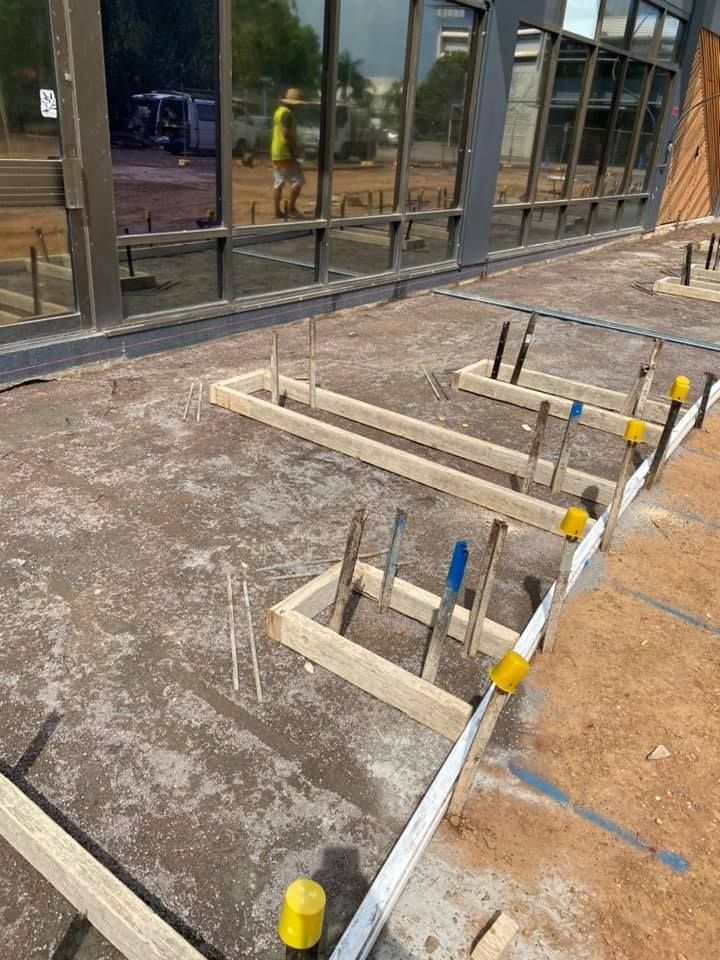
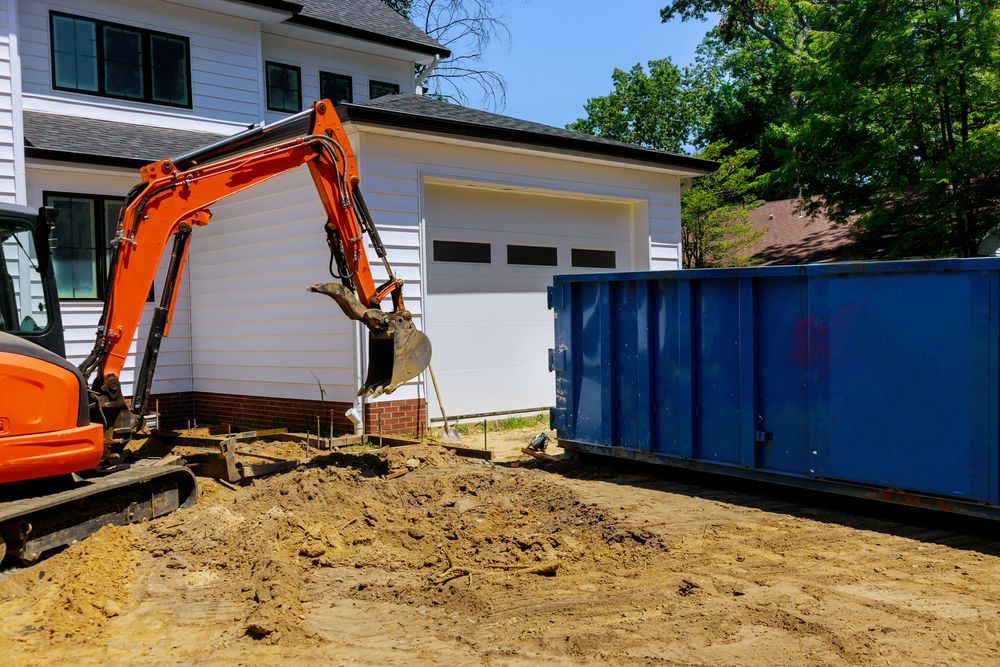
One of the most common causes of concrete cracking is inadequate preparation before pouring begins. If the ground beneath the slab is unstable or poorly compacted, movement may occur later.
Site preparation issues can include:
- Inconsistent soil compaction
- Poor drainage beneath the slab
- Organic material left in the base
- Incorrect base thickness or preparation
Proper groundwork provides a more stable foundation and helps support long-term slab performance.
Incorrect Concrete Mix Design
Different projects require different concrete strengths and mix designs. Using an unsuitable mix for Darwin conditions may increase the likelihood of cracking.
Potential issues include:
- Excess water added to the mix
- Incorrect strength specifications
- Poor-quality materials
- Inadequate reinforcement
Experienced concrete contractors in Darwin understand how local conditions influence mix selection and slab design.
The Importance of Reinforcement
Reinforcement helps concrete manage stress and movement more effectively. While reinforcement does not completely prevent cracking, it helps reduce the severity and spread of cracks when movement occurs.
Depending on the project, reinforcement may involve:
- Steel mesh within slabs
- Reinforcing bars for structural support
- Fibre reinforcement within the concrete mix
- Additional strengthening around load-bearing areas
Proper reinforcement supports durability, particularly for driveways and larger slabs.
Trees and large plants located close to concrete surfaces can also contribute to cracking over time. Root systems naturally seek moisture and may shift or lift surrounding soil as they grow.
This can lead to:
- Uneven slab pressure
- Surface lifting or displacement
- Cracks near edges and joints
- Drainage disruption around the slab
Planning landscaping carefully around concrete areas can help reduce future movement issues.
Tree Roots and Nearby Vegetation
Trees and large plants located close to concrete surfaces can also contribute to cracking over time. Root systems naturally seek moisture and may shift or lift surrounding soil as they grow.
This can lead to:
- Uneven slab pressure
- Surface lifting or displacement
- Cracks near edges and joints
- Drainage disruption around the slab
Planning landscaping carefully around concrete areas can help reduce future movement issues.
Overloading the Concrete Surface
Concrete is designed to handle specific weight loads depending on how the slab was constructed. Excessive weight or unintended heavy vehicle use may place stress on the surface beyond its intended capacity.
Overloading can contribute to:
- Structural cracking
- Surface fractures under pressure
- Edge damage near driveways or slabs
- Premature wear and deterioration
Ensuring slabs are designed for their intended use is an important part of long-term performance.
Why Professional Installation Matters
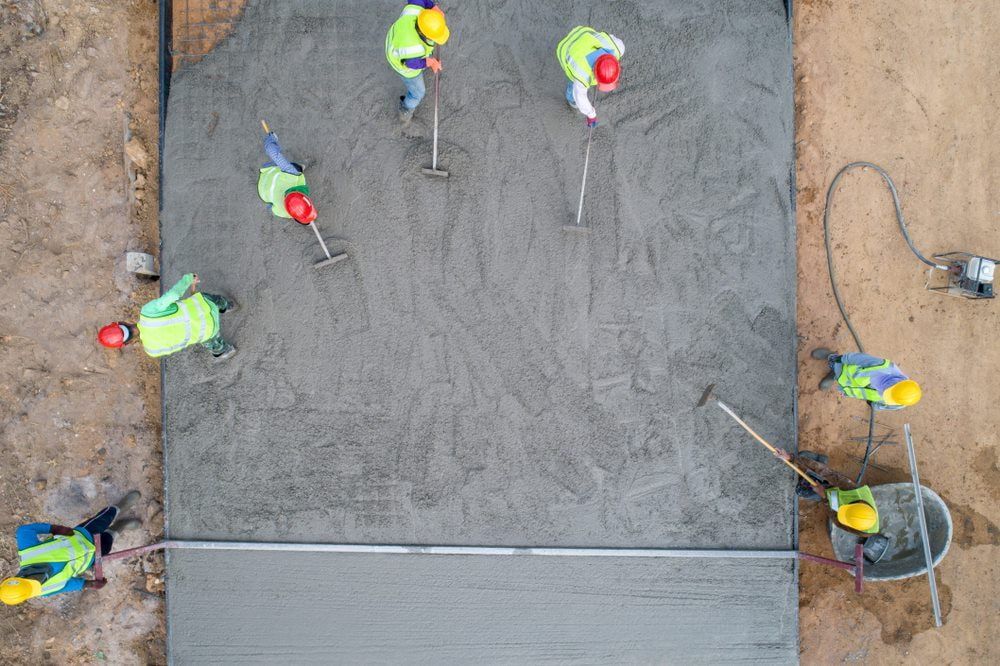
Concrete performance depends heavily on planning, preparation and installation quality. Professional contractors assess local site conditions, drainage requirements and environmental factors before construction begins.
Experienced concreting contractors in Darwin can help with:
- Site preparation and soil assessment
- Appropriate slab design and reinforcement
- Correct curing procedures for tropical conditions
- Drainage planning to manage wet season impacts
Professional installation helps reduce the likelihood of avoidable cracking and long-term maintenance issues.
Some Cracking Can Still Be Normal
It’s important to understand that minor cracking does not always indicate structural failure. Small hairline cracks may develop naturally as concrete cures and settles over time.
The key difference is whether cracking remains cosmetic or signals underlying movement or construction issues. Larger, widening or uneven cracks should be professionally assessed to determine whether repairs or further investigation are needed.
Ready to Work With Trusted Concrete Contractors in Darwin?
At JLM Contracting Services Pty Ltd, our team provides professional concreting in Darwin for driveways, shed slabs, patios and residential projects designed to suit local conditions. From site preparation and drainage planning to reinforcement and finishing, we focus on delivering durable concrete solutions built for long-term performance.
If you’re planning a concreting project or need advice from experienced concrete contractors in Darwin, contact us today to discuss your requirements.