Where Soil Movement Causes The Biggest Concrete Problems In Darwin (And How To Prevent Them)
Anyone who has lived in Darwin through a full wet season knows the ground doesn't stay still. Lawns that were bone dry in September turn to sponge by January, and the same clay that cracked apart in the build up swells back up once the rain sets in. Concrete slabs sit directly on top of all that movement, and over time it shows. A driveway that looked flat when it was poured starts to dip at one corner. A patio slab lifts slightly near the edge. Hairline cracks appear along a shed floor that never had any weight on it. None of this is bad luck. It is the ground doing what Top End soil does, and it is largely predictable once you understand what is happening underneath the slab.
This article looks at why Darwin's soil behaves the way it does, where the damage tends to turn up first, and what a properly planned job does differently to keep it from happening.
The Top End's Wet and Dry Cycle Sets the Stage
Darwin's climate is one of the more extreme in the country when it comes to moisture swings. Six or so months of heavy, consistent rain are followed by six months where the ground barely sees a drop. That cycle repeats every year, and the soil underneath every slab in the region responds to it.
- During the wet season, clay-heavy soils absorb water and expand, pushing upward against anything sitting on top of them.
- Through the dry season, the same soil loses moisture and contracts, sometimes shrinking away from a slab's edges.
- This expansion and contraction doesn't happen evenly across a block, particularly where drainage, shading or garden beds create pockets of higher or lower moisture.
A slab poured without accounting for this cycle is essentially sitting on ground that is constantly shifting size beneath it, even if the movement is only a few millimetres at a time.
Why Does Concrete Crack in the Territory's Climate
Why does concrete crack more often in Darwin than in more stable climates comes down to this uneven support. Concrete itself is strong in compression but far less capable of flexing or stretching without cracking. When the soil beneath one section of a slab swells while another section stays firm, the slab is asked to bend slightly to accommodate the difference. Concrete doesn't bend. It cracks instead.
Some cracking in a well built slab is normal and expected, which is exactly what control joints are designed to manage. The type of cracking worth paying attention to includes:
- Cracks that continue to widen over successive wet seasons
- Uneven stepping or lifting either side of a crack, rather than a clean, flat split
- Cracking that follows the line of a plumbing trench, retaining wall or filled area, since these are common weak points
Reactive Soil in Darwin and What It Actually Means
Reactive soil in Darwin refers to ground that changes volume noticeably with moisture content, and a large portion of the region sits on exactly this type of soil. Clay and clay-loam soils are common across Darwin and Palmerston, and both are classic examples of reactive ground.
- Highly reactive sites can see several centimetres of vertical movement between the wettest and driest points of the year.
- Sites with mixed soil profiles, part clay and part sand or fill, tend to move unevenly rather than uniformly, which is harder on a slab than consistent movement.
- Reworked or filled soil, common on newer housing estates, can behave unpredictably until it has settled properly, particularly if compaction wasn't carried out to standard during the original site works.
A soil test before design work begins gives a realistic picture of what a particular block is dealing with, rather than relying on assumptions based on the suburb or the age of a development.
Where the Damage Turns Up First
Soil movement doesn't affect every concrete surface on a property equally. Some structures are more exposed to it than others, largely because of how they're loaded and how much of the surrounding ground they interact with.
- Driveways often show the earliest signs, since they run the length of a property and cross multiple soil zones, plus they carry vehicle loads that highlight any unevenness.
- House slabs are usually the best protected, given the depth of footings and reinforcement involved, but reactive soil can still cause edge lift or internal cracking over years.
- Patios and alfresco slabs frequently crack where they meet an existing structure, since the two elements move at different rates.
- Shed slabs poured without adequate base preparation are particularly vulnerable, as sheds are often treated as a lower priority job with a thinner, less reinforced pour.
- Commercial hardstands face the added pressure of heavier, repeated loads on top of the same seasonal ground movement, which speeds up any existing weaknesses.
Concrete Cracking in the Wet Season and What Triggers It
Concrete cracking wet season patterns are the most noticeable because that's when soil movement is at its peak and rainfall itself adds extra stress to a slab. Water pooling against an edge, poor fall away from a structure, or blocked subsurface drainage all concentrate moisture in specific spots rather than letting it distribute evenly.
- Downpipes discharging directly next to a slab edge create a localised wet zone that swells faster than the surrounding ground.
- Garden beds built up against a slab hold moisture against the edge long after the surrounding area has dried.
- Low points in a yard where water naturally collects will always move more than raised or well drained sections.
Identifying these moisture traps before a pour, rather than after cracking appears, is one of the more straightforward ways to reduce long term movement.
Site Assessment: The Step That Gets Skipped
A lot of slab problems trace back to decisions made before the concrete truck ever arrives. Skipping a proper site assessment to save time or cost tends to shift that cost into repairs later on.
- A geotechnical or soil assessment identifies reactive clay, fill depth and existing moisture patterns specific to the block.
- Site levels and drainage falls need to be checked against the surrounding land, not just the immediate pour area.
- Existing structures, trees and underground services all influence how soil behaves nearby and should be factored into the plan.
This is also the stage where a realistic scope and price get set, which is worth keeping in mind when comparing quotes that look similar on paper but differ once the ground has actually been checked.
Compaction, Drainage and Moisture Control
Even with a well prepared base, a slab still needs to be engineered to handle the movement that reactive soil will inevitably produce over its lifetime.
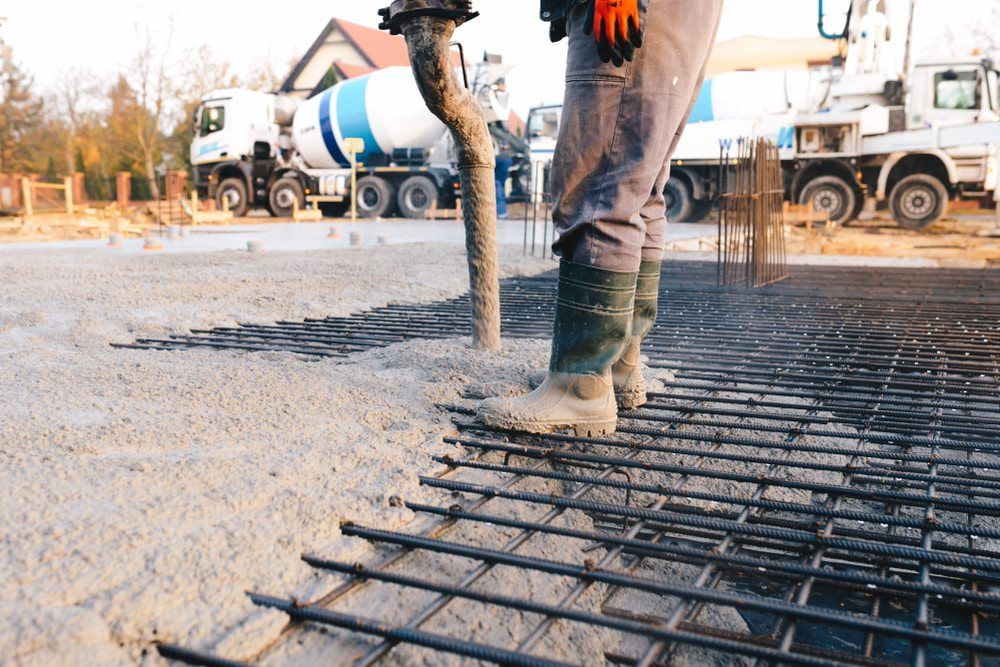
- Steel mesh or reinforcing bar gives a slab tensile strength, helping it resist the pulling and flexing forces caused by uneven ground movement.
- Control joints are placed at calculated intervals so that any cracking that does occur happens along a designed line, rather than randomly across a visible surface.
- Slab thickness and edge beam depth should match the soil classification for the site, rather than a standard specification applied regardless of ground conditions.
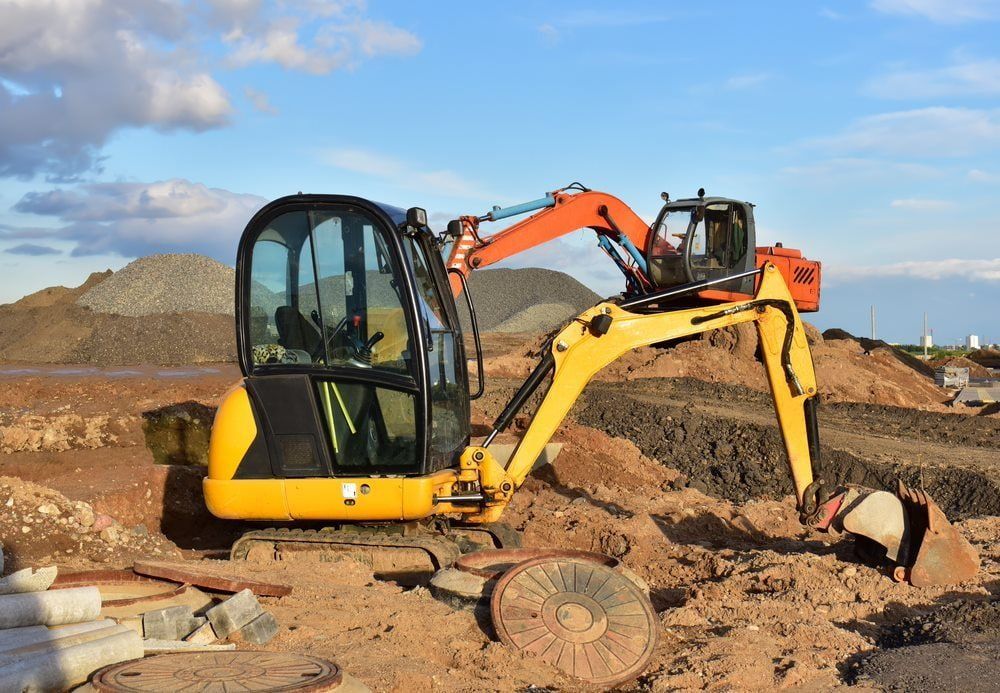
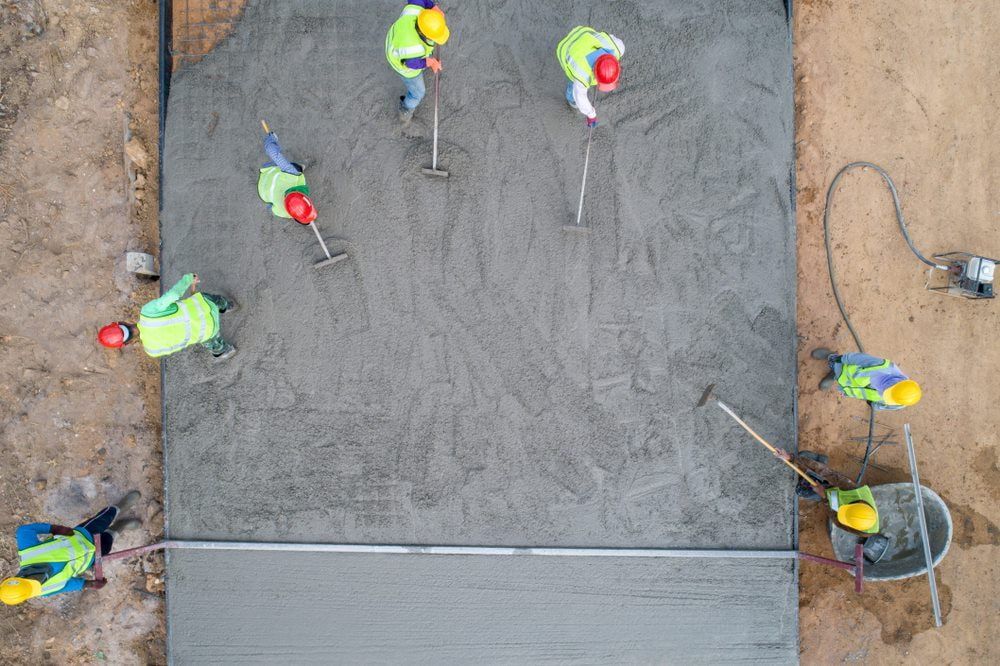
This is really the point where earthworks and concreting need to be treated as one connected job rather than two separate trades. Most slab failures begin before the pour, in decisions about compaction, drainage and reinforcement that were either rushed or handled by someone with no visibility over the final concrete work. When one team manages both the ground preparation and the pour, the slab is designed around the soil it's actually sitting on, and there's no argument later about which contractor is responsible when a crack shows up.
What This Means for Your Next Project
If you're planning a new driveway, shed slab or patio, or replacing an older one that's already showing movement, the ground beneath it deserves as much attention as the concrete itself. A slab poured onto unassessed, poorly compacted or badly drained soil is working against the odds from day one, regardless of the concrete mix used.
We at JLM Contracting Services carry out site assessment, earthworks and concreting as one connected process, so compaction, drainage and reinforcement are planned around the actual soil on your block rather than treated as an afterthought. If you're weighing up a new pour or want an honest look at why an existing slab is cracking, get in touch for a site inspection and a straightforward quote.
We work across Darwin and the greater Top End and can
talk you through what your particular soil and drainage conditions mean for the job, including how our approach to
concreting in Darwin factors ground preparation into every quote from the start.
Frequently Asked Questions