Concrete Resurfacing Or A New Pour? A Concreting Repair Guide
An ageing or cracked driveway doesn't always need replacing. Concrete resurfacing can restore a worn surface, but if the slab is shifting, sinking or badly damaged, a new pour may be the better investment. For homeowners considering concreting Darwin services, understanding the difference can help avoid unnecessary repairs and expenses.
At
JLM Contracting Services, we understand how Darwin's tropical conditions can affect concrete. Heavy wet-season rainfall, intense heat and reactive soils can all influence how well a driveway or slab holds up over time. Before deciding between resurfacing and replacement, it's important to identify what's causing the damage.
What Is Concrete Resurfacing?
Concrete resurfacing involves applying a specialised coating or overlay to an existing concrete slab. The process is designed to improve the appearance and surface condition of concrete without removing and replacing the entire structure.
It's commonly considered for driveways, patios, pathways and outdoor entertaining areas that have become worn, stained or discoloured but remain structurally sound.
Depending on the existing surface and selected finish, resurfacing can help:
- Cover minor surface imperfections and discolouration.
- Refresh an ageing driveway or outdoor area.
- Improve surface texture and appearance.
- Extend the useful life of structurally sound concrete.
- Reduce the need for extensive demolition and replacement.
However, resurfacing doesn't fix structural problems beneath the slab. If the concrete is moving or cracking due to unstable ground, applying a fresh surface may only provide a temporary improvement.
When Should You Resurface Concrete?
Resurfacing is generally worth considering when damage is cosmetic or limited to the upper surface. If the existing slab remains stable, a new finish may restore its appearance without the cost and disruption of complete replacement.
For example, imagine a Darwin homeowner with a ten-year-old driveway that's faded, stained and developed minor surface imperfections. If an inspection confirms the concrete is structurally sound, resurfacing could be a practical alternative to removing the entire driveway.
Signs that resurfacing may be suitable include:
- Minor surface cracks that are stable and repairable.
- Faded or discoloured concrete.
- Light surface wear or shallow imperfections.
- A driveway or patio that's still level and structurally sound.
- An outdated finish that needs refreshing.
Even small cracks need assessment before resurfacing, particularly if they continue to widen or show signs of movement.
When Is a New Concrete Pour Necessary?
Replacing concrete is usually the better option when the existing slab has significant structural damage, ongoing movement or deterioration that resurfacing cannot correct.
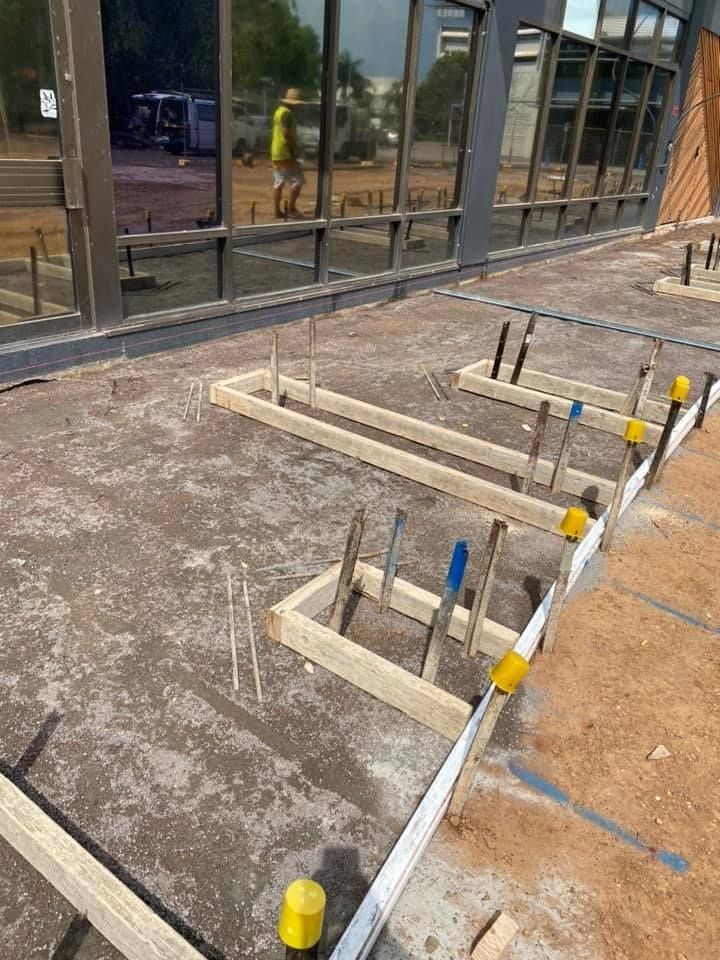
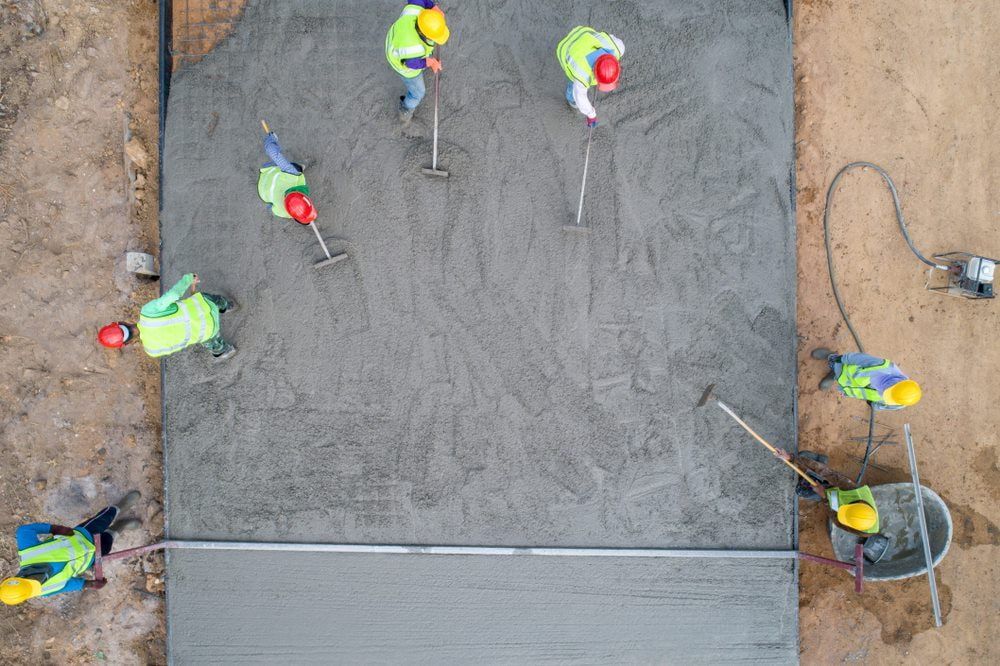
A new pour involves removing the damaged concrete, preparing the underlying ground and installing a replacement slab suited to the site's conditions and intended use.
You may need replacement if your driveway or slab has:
- Deep or widening cracks extending through the concrete.
- Sections that have sunk, lifted or become uneven.
- Significant deterioration or widespread breakage.
- Poor drainage contributing to ongoing damage.
- An unstable base requiring excavation or improvement.
For example, a driveway with large cracks and sections sitting at different heights may have problems beneath the surface. Covering these areas with a resurfacing product won't correct the underlying movement.
In these situations, concrete driveway repair may involve removing damaged sections, improving the base and pouring new concrete.
Why Darwin's Climate Matters
Darwin's tropical climate makes it particularly important to understand why concrete has deteriorated before choosing a repair method.
During the wet season, heavy rainfall can saturate the ground beneath driveways and slabs. Some reactive clay soils expand as they absorb moisture and shrink as they dry. This movement can place stress on concrete, contributing to cracking, lifting and settlement.
We've previously explored what causes concrete to crack in Darwin's climate, including the effects of changing ground conditions.
The problem with resurfacing a slab affected by ongoing soil movement is that the new surface can crack as the original concrete continues to shift. In some cases, damage may reappear during the following wet season.
Drainage also plays an important role. Water collecting around or beneath a driveway can contribute to erosion, softening of the supporting ground and further movement.
For more information, read our guide on where soil movement causes the biggest concrete problems in Darwin.
Identifying these issues before starting repairs helps determine whether resurfacing is appropriate or whether the underlying ground needs attention first.
How We Assess Damaged Concrete
Before recommending concrete resurfacing Darwin homeowners can rely on, it's important to inspect the existing slab and surrounding conditions.
At JLM Contracting Services, we consider local soil conditions, drainage and site preparation when discussing concreting projects. Understanding these factors helps determine an appropriate approach for each property.
Checking the Type of Cracking
Not every crack indicates a structural problem. Fine surface cracks may result from shrinkage or ageing, while wider cracks, displacement and recurring damage can suggest movement beneath the slab.
We consider the location, width and pattern of cracking to help determine whether the damage is primarily cosmetic or requires further investigation.
Assessing Ground Conditions
The ground beneath the concrete is just as important as the surface itself. Poor compaction, unstable fill and reactive soils can contribute to movement over time.
If the underlying base is no longer providing adequate support, resurfacing alone won't resolve the problem. Further investigation or replacement may be necessary.
Looking at Drainage
Water needs somewhere to go, especially during Darwin's wet season. Poor surface falls, pooling water and drainage problems can affect the long-term performance of concrete.
We consider whether drainage improvements are needed as part of the repair or replacement work.
Considering the Slab's Intended Use
A driveway regularly carrying vehicles has different requirements from a garden pathway or patio.
The condition of the concrete, expected loads and proposed finish all influence whether resurfacing, localised repairs or replacement will provide a suitable result.
How Much Does Concreting Cost?
The cost of concrete resurfacing or replacement depends on the size of the area, existing damage, site accessibility and amount of preparation required.
Resurfacing is often less expensive than complete replacement because the existing slab remains in place. However, extensive crack repairs, surface preparation and specialised finishes can increase the overall cost.
A new concrete pour generally involves additional work, including demolition, concrete removal, excavation, base preparation, formwork, reinforcement and finishing.
Other factors influencing the quote include:
- Area size: Larger driveways and slabs require more materials and labour.
- Surface condition: Extensive repairs can increase preparation costs.
- Ground stability: Unstable soil may require additional excavation or base improvements.
- Drainage requirements: Correcting water runoff problems can add to the scope.
- Finish selection: Plain, coloured and decorative finishes have different costs.
- Site access: Restricted access can affect equipment requirements and labour time.
Although resurfacing may have a lower initial cost, it isn't necessarily the most economical option if the concrete has ongoing structural problems.
A site-specific quote provides a more useful comparison than relying on general square-metre estimates.
Resurfacing vs Replacement: Which Lasts Longer?
A properly installed new concrete slab will generally offer a longer potential service life than a resurfacing treatment, particularly when the existing concrete is already deteriorating.
However, both options depend on suitable preparation, materials, drainage and ongoing maintenance.
Resurfacing can provide years of additional use when applied to stable concrete using an appropriate system. Its performance depends heavily on the condition of the original slab and the quality of surface preparation.
Replacement allows problems with the base, drainage and slab design to be addressed before new concrete is installed. This can make it the more suitable long-term solution for heavily damaged areas.
Neither option is immune to cracking, particularly where ground movement continues. The aim is to select a repair method that addresses the cause of the damage rather than simply improving its appearance.
Making the Right Choice for Your Concrete
Deciding when to resurface vs replace concrete comes down to one important question: is the damage limited to the surface, or is something happening underneath?
If your driveway or patio is structurally sound but looking tired, resurfacing may be a practical way to refresh it. If you're dealing with significant cracks, uneven sections or ongoing ground movement, replacement may be the better investment.
For homeowners considering concreting in Darwin, getting the existing slab assessed before committing to repairs can help avoid paying for work that won't address the underlying problem.
Get Expert Advice From JLM Contracting Services
Not sure whether your driveway needs resurfacing or a completely new pour? At JLM Contracting Services, we can discuss your concrete resurfacing, repair and replacement requirements.
We'll help you understand the available options based on your project's needs and site conditions.
Contact our team today to discuss your driveway or slab and request a quote.
Frequently Asked Questions