Common Earthworks Problems Caused by Poor Drainage in Darwin
Darwin builds differently to almost anywhere else in Australia. The wet season doesn't ease in gently, it arrives fast, drops enormous volumes of rain in short periods, and puts every aspect of a site's preparation to the test. For homeowners planning to build, understanding how water moves across and through your land is one of the most important things you can do before a single machine rolls in. Poor drainage isn't just an inconvenience during a downpour. When drainage is overlooked in earthworks Darwin projects, it can quietly set up a chain of problems that become far more expensive to fix once construction has begun.
Why Drainage Planning Comes First
Earthworks and drainage are inseparable. Before any levelling, filling or cut-and-fill work begins, the way water travels across a site needs to be understood and designed around.
Skipping this step or treating it as secondary creates problems that compound quickly:
- Water pathways alter during earthworks if drainage is not planned in advance
- Fill material placed without drainage consideration can trap moisture beneath slabs
- Changes in land level redirect runoff in ways that may affect neighbouring properties
- Poorly positioned drainage infrastructure becomes difficult and costly to retrofit later
What Happens When Water Has Nowhere to Go
When a site lacks adequate drainage, water pools. That sounds straightforward, but the consequences for a build are significant. Pooling water around a slab or footing puts sustained pressure on the ground directly beneath and around the structure, weakening its load-bearing capacity over time.
The effects of poor drainage on foundations can include:
- Softening of subgrade soils that were compacted during site preparation
- Hydrostatic pressure building against footings and slab edges
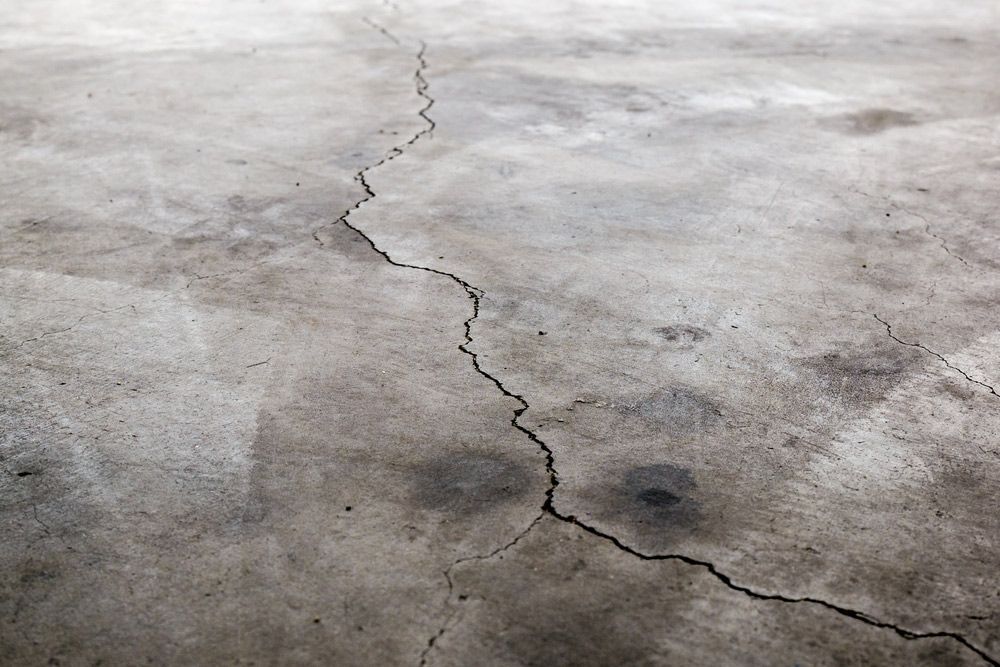
- Cracking in concrete as the ground beneath shifts unevenly
- Moisture ingress into sub-floor areas, leading to long-term structural and mould issues
How Soil Type Makes Drainage Even More Critical
Darwin soils vary significantly across different areas, and many of them respond poorly to sustained moisture. Expansive clay soils, which are common in the Top End, shrink and swell depending on their moisture content. This movement is one of the leading causes of foundation damage in tropical climates.
Soil behaviour under wet conditions is worth understanding before earthworks in Darwin begin:
- Clay-heavy soils expand when wet and contract when dry, creating cyclical ground movement
- Sandy or loamy soils drain more freely but are vulnerable to erosion under heavy flow
- Reactive soils require specific footing designs that account for ground movement
- Compaction achieved during site preparation can be undone quickly by water infiltration
The Role Earthworks Play in Managing Site Water
Good earthworks do more than level a site. They shape how water moves across it. Grading, bunding and cut-and-fill decisions all influence where runoff goes during a storm event, and a well-designed approach to site preparation builds drainage function into the terrain itself.
Earthworks techniques that directly support drainage outcomes include:
- Precise grading to direct surface water away from the building footprint
- Swales and contour shaping to slow and redirect runoff
- Compaction protocols that prevent water from pooling in low spots created during excavation
- Strategic placement of fill to raise finished floor levels above flood-prone ground
Erosion: The Problem That Grows With Every Rain Event
Soil erosion during and after earthworks is a significant risk on any site with inadequate drainage planning. Water moving at volume across disturbed ground strips away topsoil and fines, gradually undermining the stability of any prepared surface. On sloped land, this process can accelerate dramatically during the wet season.
Erosion risks that emerge from poor drainage planning include:
- Loss of compacted fill material along site edges and batters
- Undercutting of retaining walls and embankments where runoff concentrates
- Sedimentation in drainage infrastructure, reducing its effectiveness
- Gully formation on sloped ground where surface water channels itself
When Site Preparation Is Rushed Before the Wet
There is often pressure to get earthworks completed before the wet season begins. When that timeline is tight, corners sometimes get cut in site preparation, particularly around drainage. A site that looks well-prepared during the dry can deteriorate rapidly once the rain arrives, especially if drainage infrastructure has not been installed or finished correctly.
Signs that site preparation may not be wet-season ready include:
- No temporary erosion control measures installed around exposed ground
- Surface grades that still direct water toward the building area
- Stormwater connections not yet tied into the drainage system
- Unsealed or unprotected fill that is vulnerable to washout
What Ground Movement Really Costs a Build
Ground movement caused by poor drainage is one of the more expensive problems a homeowner can encounter mid-build or post-construction. Unlike a surface-level issue, ground movement affects the structural integrity of everything above it. Remediation often involves excavating back to the problem area, which means undoing completed work.
The financial impact of drainage-related ground movement can extend to:
- Re-levelling or replacing a cracked or heaved slab
- Underpinning work to stabilise shifted footings
- Rectification of internal finishes affected by structural movement
- Delays to the broader construction schedule while remediation is completed
Choosing the Right Approach to Site Drainage
Not every drainage solution suits every site. The approach taken should reflect the specific soil conditions, land topography, rainfall intensity expectations and the nature of the build being planned. A thorough site assessment before earthworks begin allows the drainage strategy to be built into the project from the ground up, rather than added as an afterthought.
A site-specific drainage approach typically considers:
- Soil permeability and how quickly water infiltrates under the surface
- Natural catchment areas on or adjacent to the site
- The finished floor level in relation to surrounding ground and road levels
- Integration of surface and subsurface drainage into a single, cohesive system
Talk to Us Before Your Site Is Prepared
We at JLM Contracting Services understand the challenges that come with building in Darwin's climate. The wet season changes everything about how a site behaves, and we've seen firsthand what happens when drainage isn't built into the earthworks plan from the start. Whether you're preparing a residential block or planning a larger development, we work with you to assess your site and approach the earthworks in a way that keeps water moving in the right direction. If you're getting ready to build and want to make sure your site preparation is done properly, get in touch with our team today to discuss your project.