Step-By-Step Guide To Preparing Your Site For Concreting In Darwin
Preparing a site for concreting in Darwin is one of those tasks that looks straightforward from the outside, yet every property owner discovers quickly that the groundwork matters just as much as the concrete itself. Whether you’re planning a new driveway, patio, slab or pathway, the quality of the final finish depends heavily on how carefully the foundation is shaped, levelled and reinforced. Good preparation ensures the concrete cures evenly, sits securely and stands up to the conditions it will face over time.
Many people begin a concreting project believing the main challenge lies in choosing the right finish or deciding how the layout should look. In reality, most of the work happens well before the concrete truck arrives. The success of the finished surface depends on the strength, shape and stability of the earth beneath it. When the base is prepared properly, the concrete can settle without interference from moisture, shifting soil or uneven loads.
Before any concrete contractors in Darwin begin their work, there is a clear sequence of steps that supports a safe, stable and long-lasting foundation. This guide walks through each stage with practical detail, highlighting how excavation and earthworks services contribute to a successful concreted area.
1. Understanding the Condition of Your Site Before Work Begins
Every concreting project starts with an assessment of the ground as it currently stands. This helps identify any structural, environmental or access issues that could influence how the concrete performs once installed. Even small variations in soil density, moisture levels or surface slope can change the way the concrete settles and cures.
A thorough assessment also highlights whether the soil needs strengthening, whether existing materials should be removed or whether minor design adjustments may be required. By understanding these factors early, you reduce the risk of delays and avoid unnecessary rework later in the project.
Key considerations often include:
- Existing surface materials that may need removal
- Signs of soil movement or soft pockets
- Areas of pooled water that signal drainage concerns
By addressing these points upfront, the project starts on a stable footing and the earthworks team can plan the upcoming stages with accuracy.
2. Clearing Vegetation, Debris & Obstructions
A clean, open site is essential for accurate levelling and excavation. Anything left behind—roots, rubble or old materials—can create weak points beneath the concrete that eventually lead to cracking or sinking.
Site clearing often involves:
- Removing turf, shrubs, roots & organic matter
- Clearing rocks, rubbish, branches or leftover construction materials
- Stripping old pavers, broken slabs or uneven surfaces
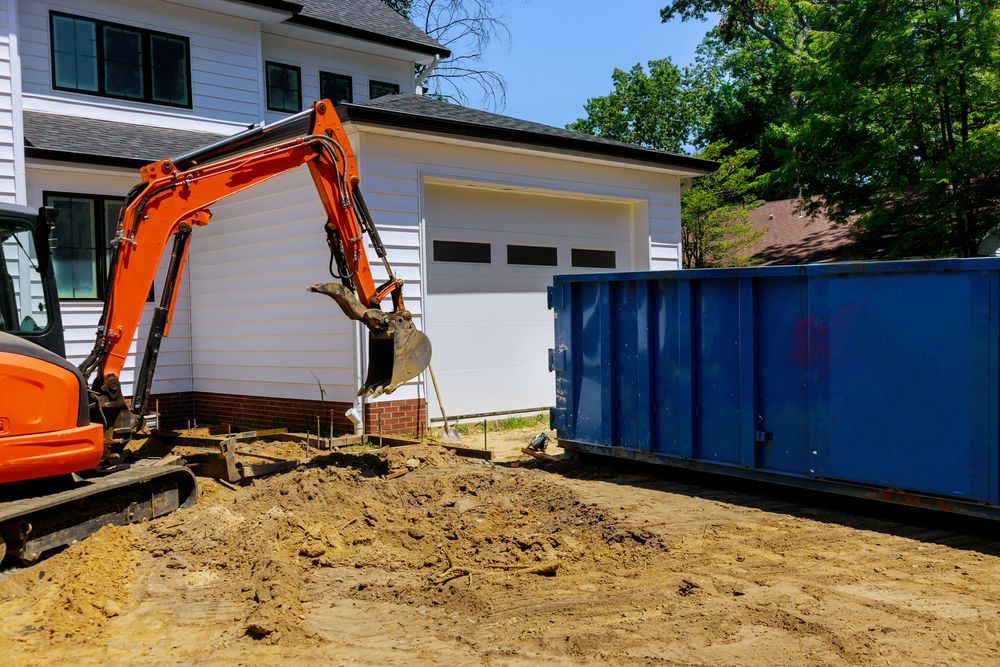
Earthworks operators use machinery like skid steers, excavators or hand tools depending on access, ensuring the area is cleared thoroughly without disturbing neighbouring structures.
3. Establishing Accurate Ground Levels
Once the area is cleared, the next phase focuses on shaping the land to match the planned concrete layout. Levelling is crucial for structural stability, water flow and the long-term durability of the surface.
Levelling tasks can include:
- Cutting away high spots to create an even surface
- Filling depressions to prevent pooling & sinking
- Establishing a uniform fall where water needs to drain away
Earthworks teams typically rely on laser levels, string lines and measuring tools to achieve precision, which is especially important for large slabs and long driveways.
4. Managing Drainage Requirements Early
Poor drainage can undermine even the best concreting work. Without proper planning, water may pool, wash away the base or expand and contract beneath the concrete, leading to cracks.
Drainage preparation may involve:
- Creating controlled falls that direct water away from the slab
- Ensuring existing drains aren’t blocked or disrupted
- Excavating trenches where drainage pipes or outlets will sit
Effective drainage prevents premature damage and supports the longevity of the concrete structure.
5. Compacting the Base for Structural Strength
Compaction is one of the most important steps in preparing for concreting in Darwin. It stabilises loose soil, reduces movement and creates a solid foundation that supports the weight of the concrete.
Compaction typically includes:
- Using rollers or mechanical compactors to compress the soil
- Adding layers of road base or crusher dust for additional support
- Testing the base to ensure it reaches the required firmness
A well-compacted foundation significantly reduces the risk of shifting, cracking or uneven curing after the concrete is poured.
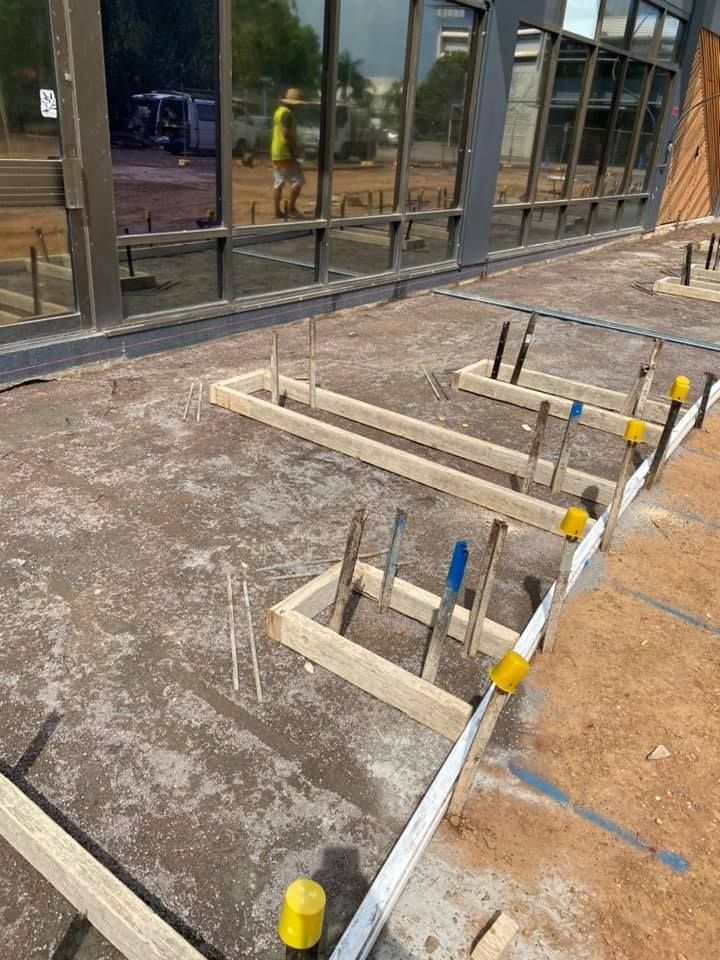
6. Installing Formwork to Define the Concrete Area
Formwork acts as the mould that shapes the concrete while it cures. It must be secure, level and strong enough to resist the pressure of wet concrete.
Formwork preparation often involves:
- Positioning boards or form panels along the project’s borders
- Fixing pegs firmly so the forms stay in place
- Checking all edges for straightness, alignment & correct depth
Accurate formwork ensures the concrete sets with clean edges, consistent thickness and reliable structural support.
7. Preparing Reinforcement for Added Durability
Depending on the type of concrete project, reinforcement can help strengthen the final structure. Reinforcement reduces cracking, distributes weight and supports movement across the slab.
Reinforcement preparation includes:
- Laying steel mesh or rebar across the base
- Supporting it with bar chairs so it sits at the right height
- Ensuring spacing & alignment meet structural requirements
This stage is especially important for slabs, driveways and areas that will support vehicles or heavy loads.
8. Final Checks Before Concrete Contractors in Darwin Begin Work
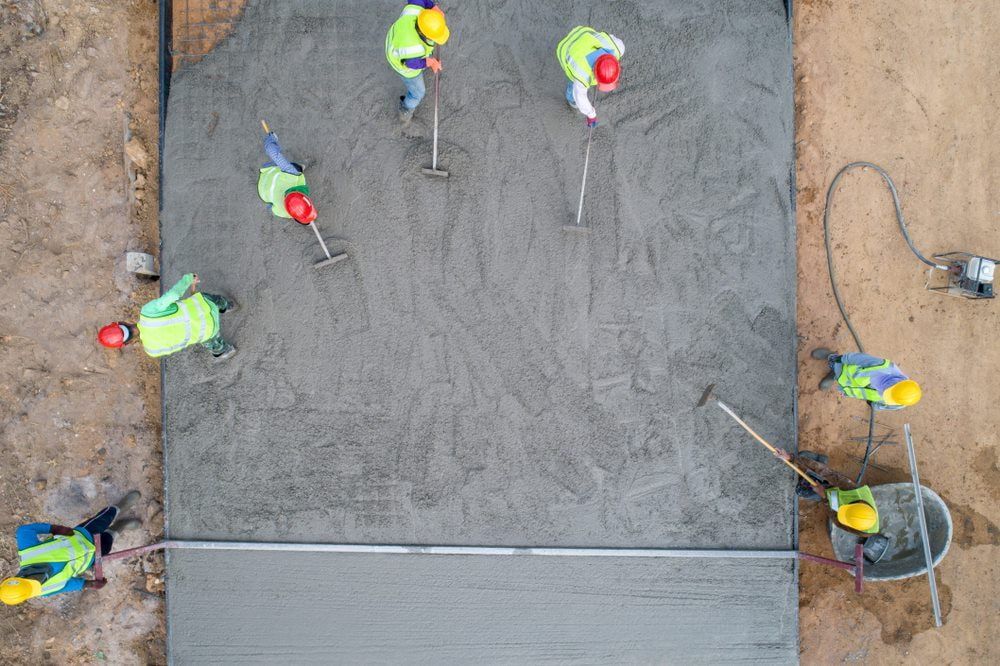
Before the concreting team arrives, the site should be checked thoroughly to ensure it meets all preparation standards. These checks prevent delays and help achieve a smooth and efficient pour.
Final checks generally include:
- Confirming levels, falls & compaction meet the project plan
- Inspecting formwork for gaps, movement or misalignment
- Removing leftover debris, tools & loose material from the surface
A final walk-through ensures everything is in place, setting the concreting team up for a clean, controlled and successful pour.
Get in Touch
At JLM Contracting Services, we are equipped to handle earthworks, excavation and concreting projects with a practical understanding of the challenges created by local soil movement, seasonal rainfall patterns and changing ground conditions. If you’re planning a concrete project and want the site prepared properly from the ground up, visit our website to get started. We can help you organise efficient, safe and thorough site preparation tailored to your build.