Concreting Darwin Cost Guide: 2026 Prices For Driveways, Slabs, Sheds & Patios (What Affects The Quote?)
Concrete projects often look straightforward on paper until quotes start coming back with wide price differences. Homeowners and investors are frequently surprised by how much preparation and planning go into a quality concrete job. Materials, labour access, and ground conditions all play a role in shaping the final figure. Understanding these factors helps set realistic expectations and reduces the risk of unexpected costs.
This guide breaks down the factors that influence pricing for concreting projects in Darwin, 2026, and explains why no two quotes are ever quite the same.
Why Concreting Costs in Darwin Rarely Match Online Price Estimates
Online cost calculators and national averages can be misleading when it comes to real-world concreting projects. These figures rarely account for site-specific variables that significantly affect labour time, material volumes, and preparation work. While they can provide a rough starting point, they are not designed to reflect the realities of individual blocks or construction requirements.
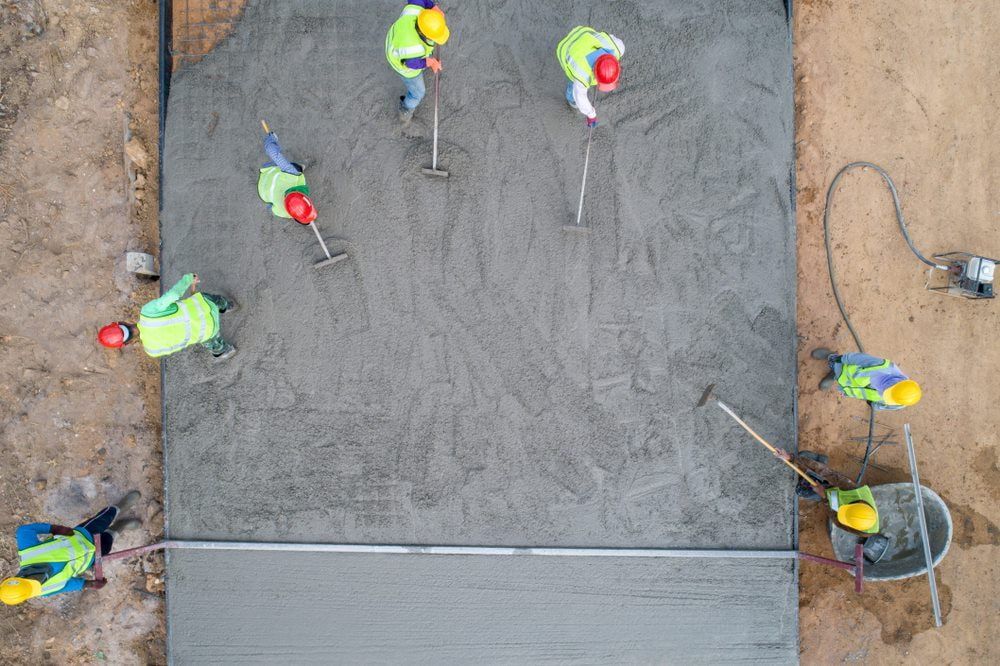
Concrete pricing is shaped by what happens before the pour as much as the pour itself. A flat, easily accessible site with good ground conditions will naturally cost less than one requiring extensive preparation, specialised equipment, or additional labour.
Common reasons online estimates fall short include:
- Assumed standard site access & flat ground
- No allowance for excavation or soil stabilisation
- Generic slab thickness & reinforcement assumptions
- Exclusion of disposal haulage & site cleanup
Accurate pricing comes from assessing the actual site conditions rather than relying on broad averages or automated tools.
Driveway Concreting Costs & the Factors That Push Quotes Up or Down
Driveways are one of the most common residential concrete projects, but they vary widely in price. The final cost depends on how the driveway will be used and the layout’s complexity. A simple straight driveway is very different from one with curves, slopes or heavy vehicle requirements. Each design choice affects materials, labour and preparation.
Key driveway cost factors include:
- Width, length & total square metres
- Vehicle load requirements & reinforcement
- Existing surface removal
- Finish selection, such as plain or decorative concrete
Professional driveway work balances durability with appearance while ensuring the base and thickness are suited to long-term use.
Concrete Slabs for Homes & Extensions: What You’re Really Paying For
Concrete slabs form the foundation of many structures, and their cost reflects their structural importance. Pricing is influenced by engineering requirements and compliance standards rather than surface appearance.
Slabs must be designed to suit the building load, soil conditions, and intended use. Cutting corners at this stage can lead to long-term structural issues.
Elements that shape slab pricing include:
- Slab thickness & edge beams
- Reinforcement type & spacing
- Vapour barriers & moisture control
- Engineering & set-out requirements
A well-prepared slab provides stability, longevity, and peace of mind for future construction stages.
Shed & Workshop Slabs: Why Load & Use Matter to the Final Cost
Shed and workshop slabs often require heavier construction than residential slabs. These spaces are typically designed to support vehicle, machinery or storage loads. The intended use directly affects reinforcement layout thickness and base preparation. A light storage shed and a mechanical workshop have very different structural demands.
The cost considerations for shed slabs include:
- Anticipated load & point pressure
- Edge thickening for structural support
- Drainage falls & surface finish
- Access for concrete trucks and equipment
Designing slabs around actual usage prevents cracking and premature wear.
Patio & Outdoor Concrete Finishes That Change the Price Point
Outdoor concrete areas are as much about appearance as they are about function. The finish selection can significantly influence the overall cost due to additional labour and materials. Decorative finishes require more preparation, precision and finishing time than plain concrete. These choices should balance budget, lifestyle needs and maintenance preferences.
Finish options that affect pricing include:
- Plain broom finish for practicality
- Exposed aggregate for texture & design
- Coloured concrete for aesthetic appeal
- Patterned or custom finishes
Choosing the right finish early helps avoid changes that can delay schedules or increase costs.
Ground Conditions, Excavation & Base Prep, Hidden Cost Drivers
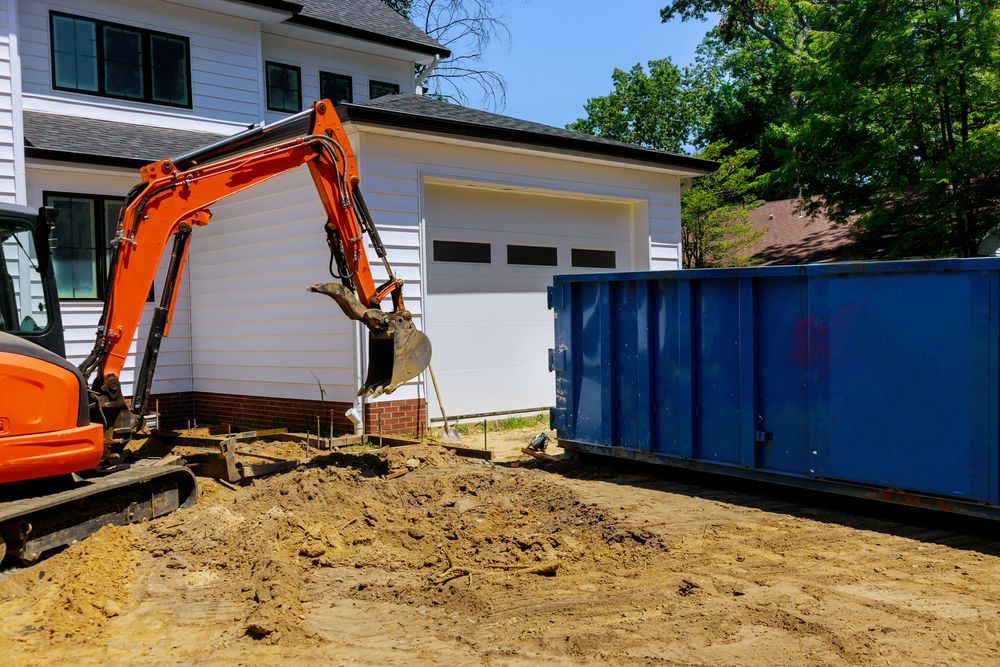
One of the biggest pricing variables is what lies beneath the surface. Ground conditions determine how much excavation, stabilisation and imported material is required before concrete can be poured. Poor soil or uneven ground increases labour time and machinery use. Proper base preparation is essential for structural integrity and longevity.
Some factors that influence base preparation costs include:
- Soil type & compaction requirements
- Excavation depth & spoil removal
- Imported road base or fill material
- Compaction & testing processes
Skipping or underestimating this stage often leads to future cracking and movement.
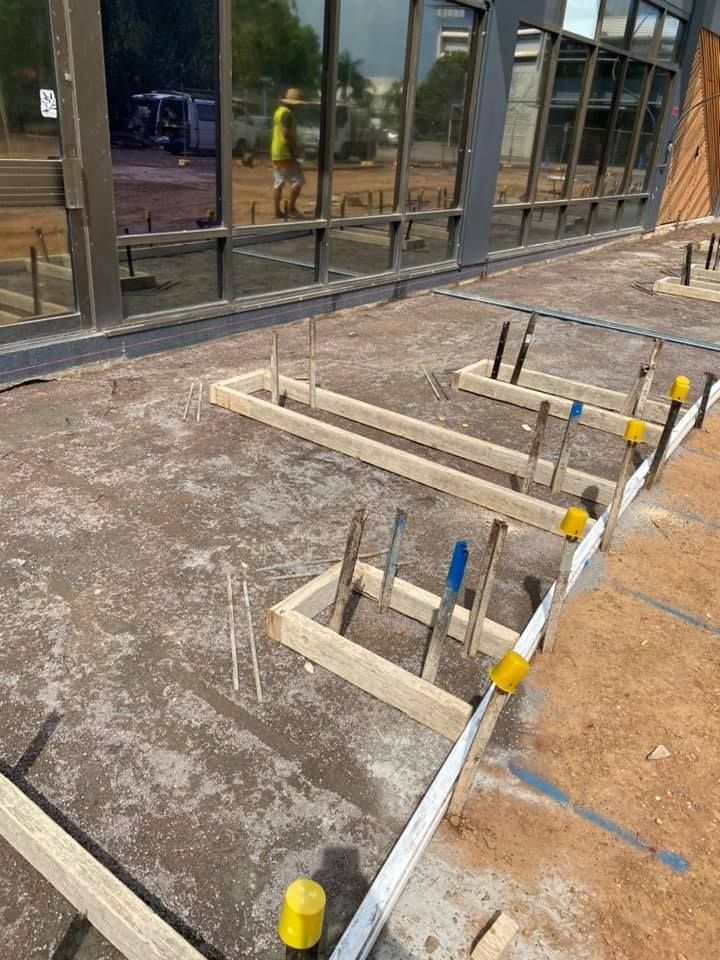
Drainage Formwork & Access Challenges That Affect Labour Time
Labour costs are closely tied to site accessibility and formwork complexity. Straightforward rectangular pours are quicker than irregular shapes or sloping sites. Drainage management also plays a critical role in slab performance and may require additional shaping or infrastructure.
Labour-intensive challenges include:
- Tight access for equipment & trucks
- Custom formwork for complex designs
- Sloping blocks requiring stepped pours
- Drainage integration & falls
Planning around these constraints reduces delays and improves construction efficiency.
Wet Season Timing & Scheduling Risks in Darwin Concreting Projects
Concrete scheduling is sensitive to weather conditions, and timing can influence both cost and project duration. Moisture levels, curing times and site access all affect workflow, particularly when planning concreting in Darwin, where seasonal conditions can be unpredictable. Projects may require contingency planning to accommodate delays or rescheduling, which can affect labour availability, equipment coordination and delivery timelines.
Scheduling considerations include:
- Allowance for weather-related interruptions
- Curing time protection measures
- Flexible staging of works
- Coordination with other trades
Careful planning helps maintain quality, reduces the risk of rework and minimises disruption to broader project timelines when undertaking concreting in Darwin.
Start Your Concreting Project With Clear Pricing
At JLM Contracting Services Pty Ltd, we take a practical and transparent approach to pricing so clients understand exactly what goes into their concreting quote. Working in the Northern Territory brings unique challenges, including soil variability, access constraints, and wet-season scheduling, all of which need to be considered from the outset.
If you are planning a project and want clear guidance from experienced concrete contractors in Darwin, contact our team. We’ll take the time to discuss your site requirements, and you’ll receive a tailored concreting solution that aligns with your goals.